
Education while travelling with kids is one of the first things people ask us about when they hear we live overseas.
“But what about school?”
And it makes sense. Once kids get past the baby stage, education becomes one of the bigger things families have to think about. Are they going to a local school? Are you homeschooling? What happens if you move countries? Are they missing anything? And if you eventually go back to Australia, how does that all work?
We’ve had to think about all of these things too, and the answer has looked quite different in our two families.
Carly has experienced local preschool in Türkiye and is now homeschooling Chloe using an Australian curriculum. Kaia is younger, so for us it has been much more about play, independence, socialisation, language and a few half days each week at a Montessori-style preschool in Thailand.
Neither of us thinks we have the next ten years mapped out. We’ve simply found what works for our kids right now, knowing it will probably change again as they grow.
In this episode of Kids Who Travel, we talk about what education has actually looked like for both of our families, what has surprised us, what we’ve worried about and why living overseas has made us think about learning a little differently.
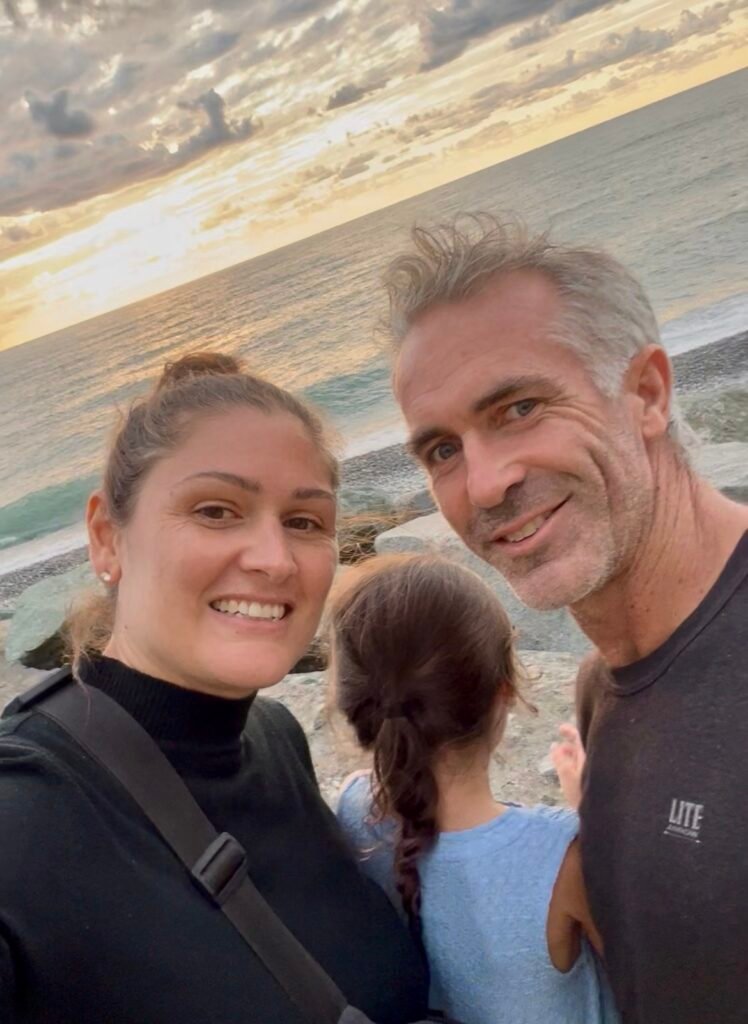
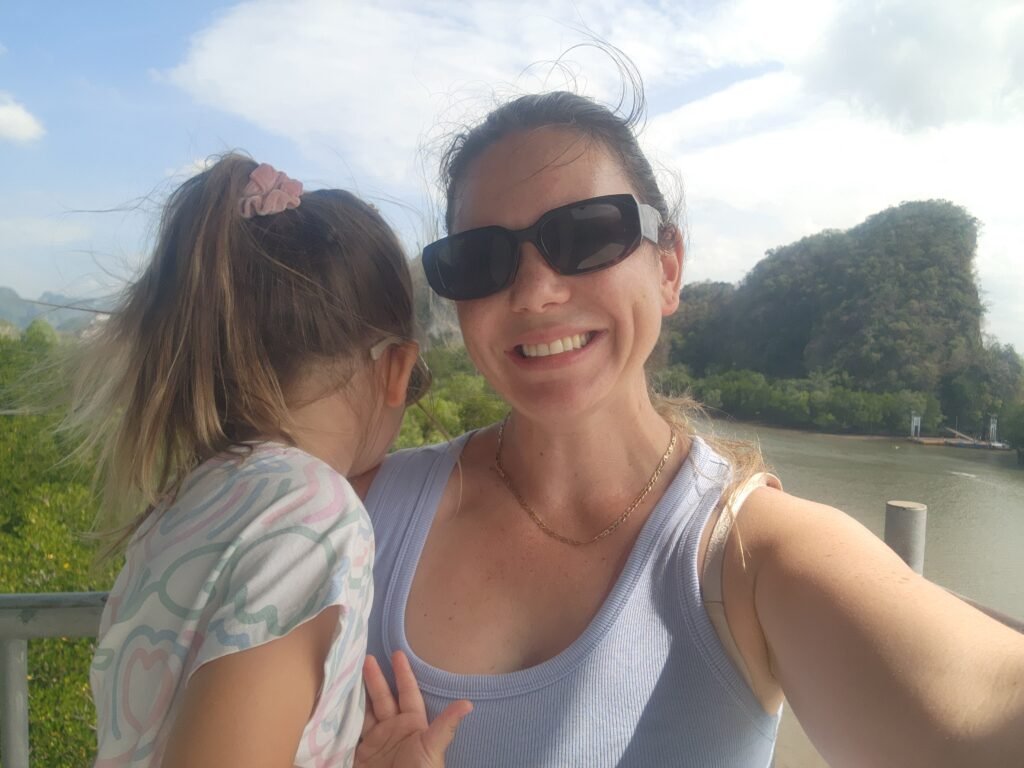
What Local Preschool Taught Us
Before Chloe was two, Carly enrolled her in preschool while they were living in Türkiye.
One of the obvious challenges was language. Much of Chloe’s day happened in Turkish, and putting a toddler into an environment where they can’t understand everything being said around them can sound pretty daunting.
Carly quickly realised Chloe was far less bothered by the language difference than the adults were. She watched the other children, copied what they were doing, joined in with games and worked things out as she went.
She didn’t need to speak fluent Turkish to make friends.
Translation apps became useful when Carly needed to communicate properly with teachers, but Chloe mostly relied on play, gestures and simply spending time with the other kids.
That experience was a big reminder that children communicate in so many ways that have nothing to do with speaking the same language.
Some of the Biggest Learning Has Happened Outside School
This is probably one of the things travel has changed most for me.
I remember being in Bulgaria when Kaia was about 16 months old. She was barely walking and carrying a ball around a playground when a group of local kids came over and took it from her.
My immediate thought was, “Oh shit, here we go.”
But Kaia just looked at them, shrugged it off and wandered off to find something else to play with. There was no shared language and nobody stepped in to explain what was happening. She simply read the situation and adapted.
As she’s grown older, I’ve noticed that awareness continue. She watches people closely, picks up on body language and is very aware of her own personal space and how to communicate even when there is no shared language.
Is some of that just her personality? Probably. But I also think the experiences she’s had while travelling have played a big part.
Now in Thailand, she is picking up simple Thai phrases, counting money, paying for her own little 10Bt Milo and waiting for her change. They’re tiny everyday things, but I love watching her understand how life works somewhere different from where Jacob and I grew up.
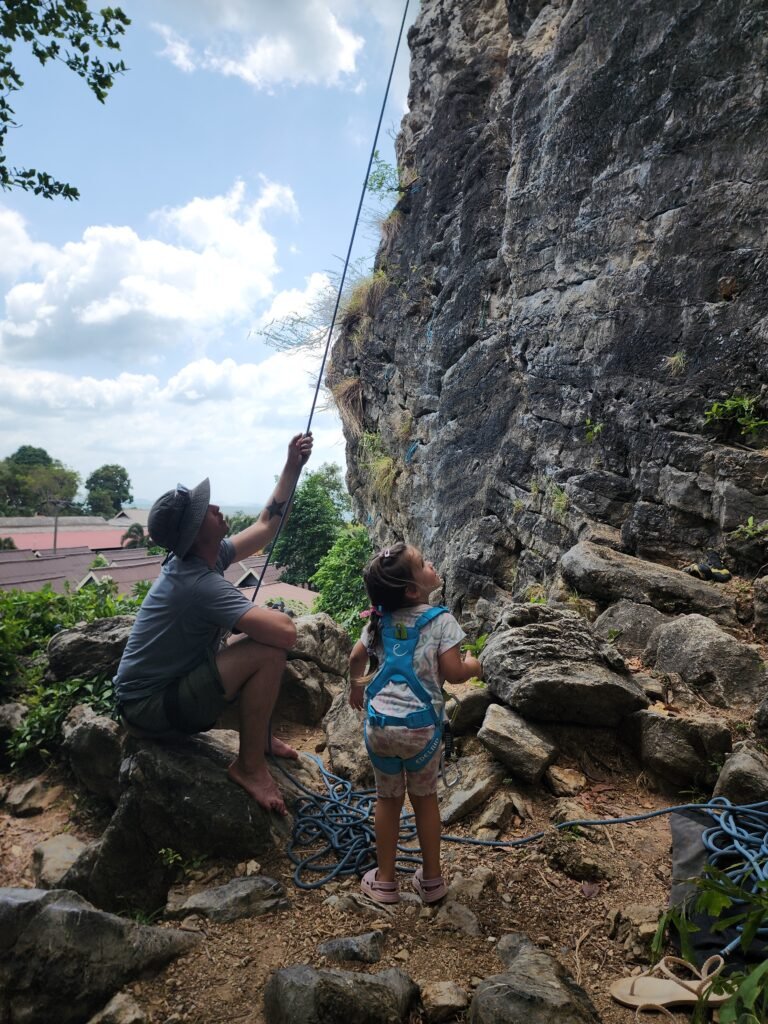
I’m not suggesting travel replaces reading, writing, maths or formal education. It doesn’t. But there are things kids learn by being out in the world that are difficult to recreate on a worksheet.
Homeschooling Has Given Carly More Flexibility
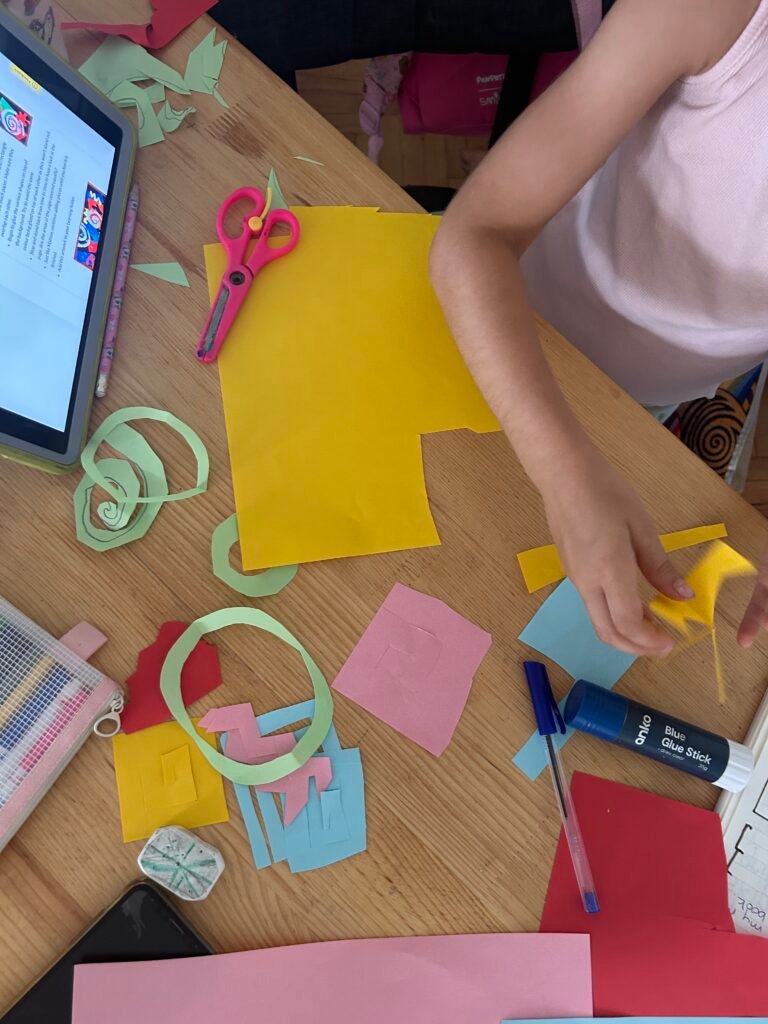
As Chloe has grown, Carly’s approach has changed too, and she is now homeschooling.
For their family, one of the biggest positives is knowing exactly what Chloe is learning and being able to adjust things depending on what she needs.
If something needs more time, they can slow down. If she understands something quickly, they can move on. Travel days can simply be travel days rather than trying to force school into the middle of them.
Using an Australian curriculum provider has also given them structure and some consistency while they’re overseas.
That doesn’t mean homeschooling is automatically easier. Someone still has to plan it, sit down and do the work, keep things moving and get through the days when neither parent nor child is particularly interested in opening a workbook.
What Carly does like is being much closer to Chloe’s learning and being able to focus on Chloe herself, rather than constantly worrying about where she “should” be compared with every other child her age.
Right now, that works for their family.
For Younger Kids, Education Can Look Completely Different
Our experience with Kaia is different again because she’s younger.
At three, I’m not particularly worried about academics. Right now I care more about her learning how to be around other children, becoming independent, communicating, being curious and feeling confident in unfamiliar situations.
She goes to a Montessori-style preschool in Thailand for a few half days each week, which gives her that social environment without taking over our week or the way we currently live.
A lot of her learning happens without us announcing that we’re “doing education”.
It’s counting money at the shop, helping with everyday jobs, asking a million questions, trying words in another language, understanding $1 is not the same as 1THB working out how to play with a child she has never met before or spending hours outside exploring something new.
That suits her (and us) for now.
You Don’t Need the Next Ten Years Figured Out
One thing we would absolutely recommend to families considering long-term travel or a move overseas is researching what your options actually are, especially in the particular area that you want to visit.
Look at local schools, international schools, costs, language, curriculum choices, homeschooling rules and what support is available. Every country is different, and what works in one place may not even be possible in another.
But remember researching your options is very different from believing you need to commit to one approach forever.
You might start homeschooling and later realise a local school would suit your child better. You might use an international school in one country and do something completely different in the next. You might mix formal schooling with periods of travel.
Kids change, families change and circumstances change.
What works brilliantly this year might make absolutely no sense three years from now. That doesn’t mean you got it wrong. It just means you’ve adjusted to what your family needs now.
Final Thoughts
The biggest thing we’ve both realised is that we don’t need to know exactly what education will look like for our girls five years from now.
What works for Chloe today might change. What works for Kaia at three will almost certainly look different when she’s older.
We might homeschool, use local schools, choose something more traditional or end up doing a mixture depending on where we are and what our kids need at the time.
Living overseas has probably made us more comfortable with not having every answer yet.
We’ve watched our girls learn things that would never show up on a worksheet. They’ve had to walk into environments where nobody speaks their language, work out how to make friends anyway, understand that people live differently around the world and adapt when things feel unfamiliar.
There is absolutely still a place for formal education.
We’re just learning that education can be much broader than we once thought it was.
Listen to the Full Episode
In Episode 6 of the Kids Who Travel Podcast, Renee and Carly talk about education while travelling with kids, from local preschool and Montessori-style learning to homeschooling, language barriers, socialisation and learning through everyday travel.
If you’ve ever wondered what happens with school when families live overseas or travel long-term, this episode is an honest look at what has worked for our two very different families and why we’re both comfortable with that answer changing as our kids grow.
Listen on Spotify | Listen on Apple Podcasts | Watch on YouTube
What does education look like for your family? Are you homeschooling, using local schools, travelling between school terms or doing something completely different? Come and chat with us on Instagram at @kidswhotravelpodcast.